Pine Script (TradingView)
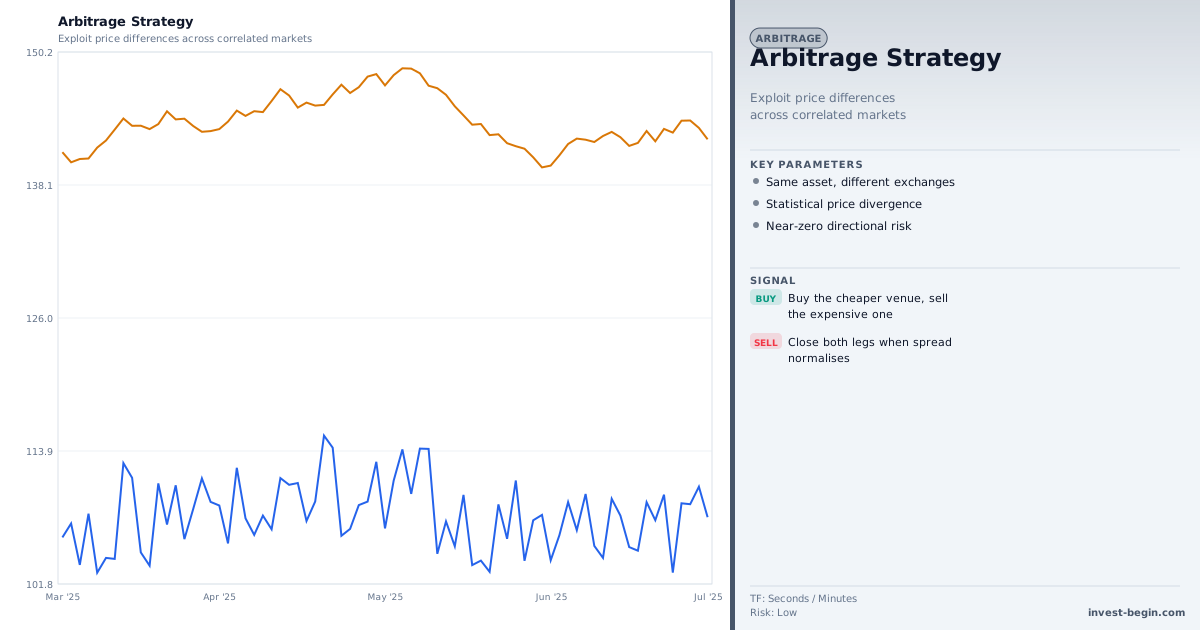
This is a TradingView Pine Script strategy example for this page concept. Paste it into the TradingView Pine Editor, add it to your chart, and run it in the Strategy Tester.
//@version=6
strategy("Arbitrage Strategy", overlay=true)
// Multi-factor: trend + momentum + volume confluence
trendLen = input.int(50,  "Trend EMA")
rsiLen   = input.int(14,  "RSI Length")
volLen   = input.int(20,  "Volume EMA")
ema50    = ta.ema(close, trendLen)
r        = ta.rsi(close, rsiLen)
avgVol   = ta.ema(volume, volLen)
// All three factors must align
longSignal  = close > ema50 and r > 50 and r < 70 and volume > avgVol * 1.2
shortSignal = close < ema50 and r < 50 and volume > avgVol * 1.2
if longSignal
    strategy.entry("Long", strategy.long)
if shortSignal
    strategy.close("Long")
plot(ema50, "Trend EMA", color=color.orange)