Pine Script (TradingView)
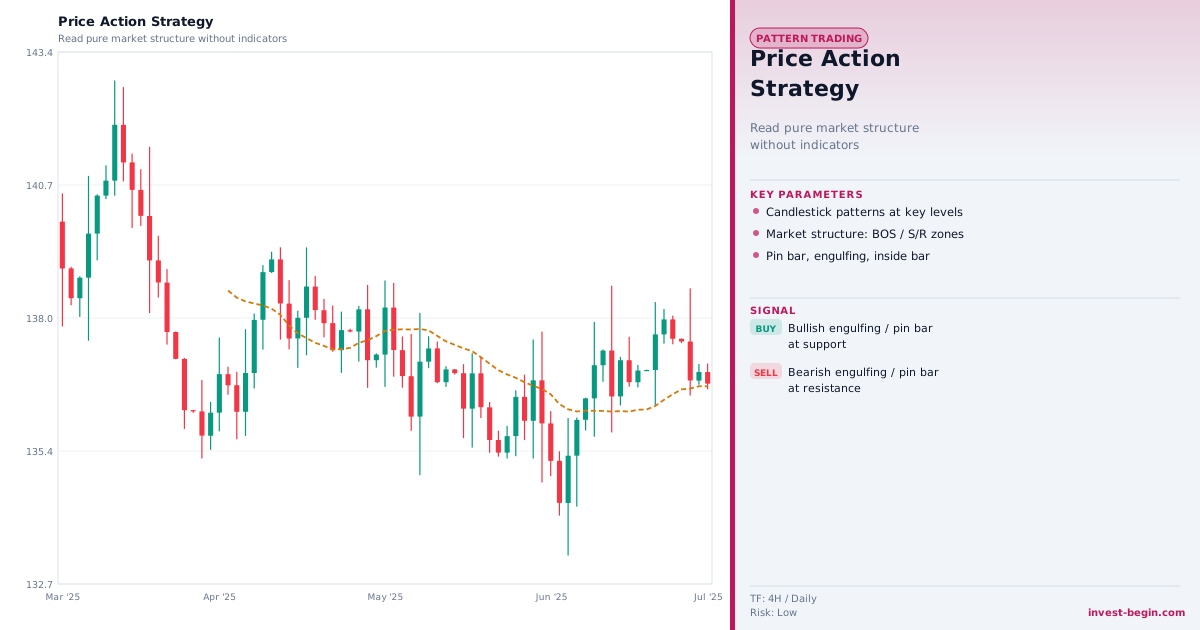
This is a TradingView Pine Script strategy example for this page concept. Paste it into the TradingView Pine Editor, add it to your chart, and run it in the Strategy Tester.
//@version=6
strategy("Price Action Strategy", overlay=true)
// Detects pin bars and engulfing candles at key levels
atrLen  = input.int(14, "ATR Length")
lookback = input.int(20, "Swing Lookback")
atr = ta.atr(atrLen)
swingHigh = ta.highest(high, lookback)
swingLow  = ta.lowest(low,  lookback)
// Bullish pin bar: long lower wick, close near high, forms at/near swing low
lowerWick   = open - low
upperWick   = high - close
bodySize    = math.abs(close - open)
bullishPin  = lowerWick > 2 * bodySize and lowerWick > upperWick and low <= swingLow * 1.002
// Bearish engulfing at swing high
bearEngulf  = close < open and close < open[1] and open > close[1] and high >= swingHigh * 0.998
if bullishPin
    strategy.entry("PABuy", strategy.long, stop=low - atr * 0.5)
if bearEngulf
    strategy.close("PABuy")
plotshape(bullishPin, style=shape.triangleup,   location=location.belowbar, color=color.green, size=size.small, title="Pin Bar")
plotshape(bearEngulf, style=shape.triangledown, location=location.abovebar, color=color.red,   size=size.small, title="Bearish Engulf")